For the launch of Covers for the World, a long-term artistic and social engagement in which Pierre Mertens mobilizes more than 4,000 drawings to support the development of a knowledge centre for affordable and accessible care, he realized together with curator Edith Doove an exhibition at the SHARE Knowledge Centre in Moshi.

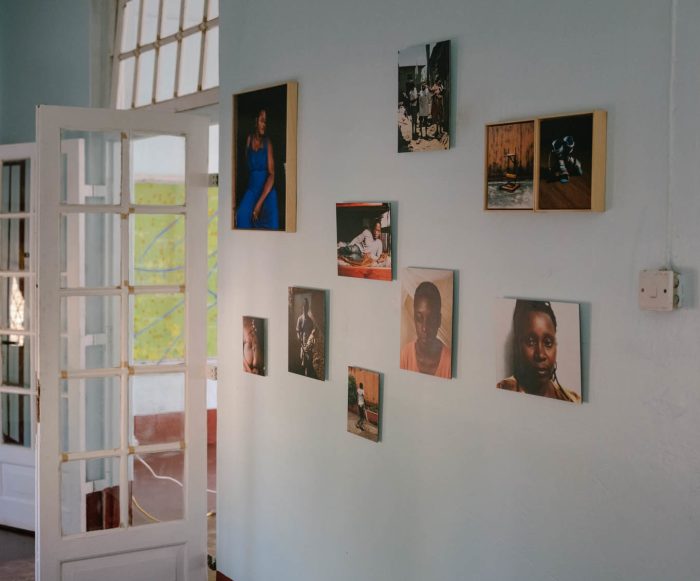
The exhibition brought together work by Mertens, drawn from earlier exhibitions that had never before been shown in this context, in dialogue with work by four Tanzanian artists. Rather than functioning as a retrospective, the exhibition presented a contextual reinterpretation of existing work.
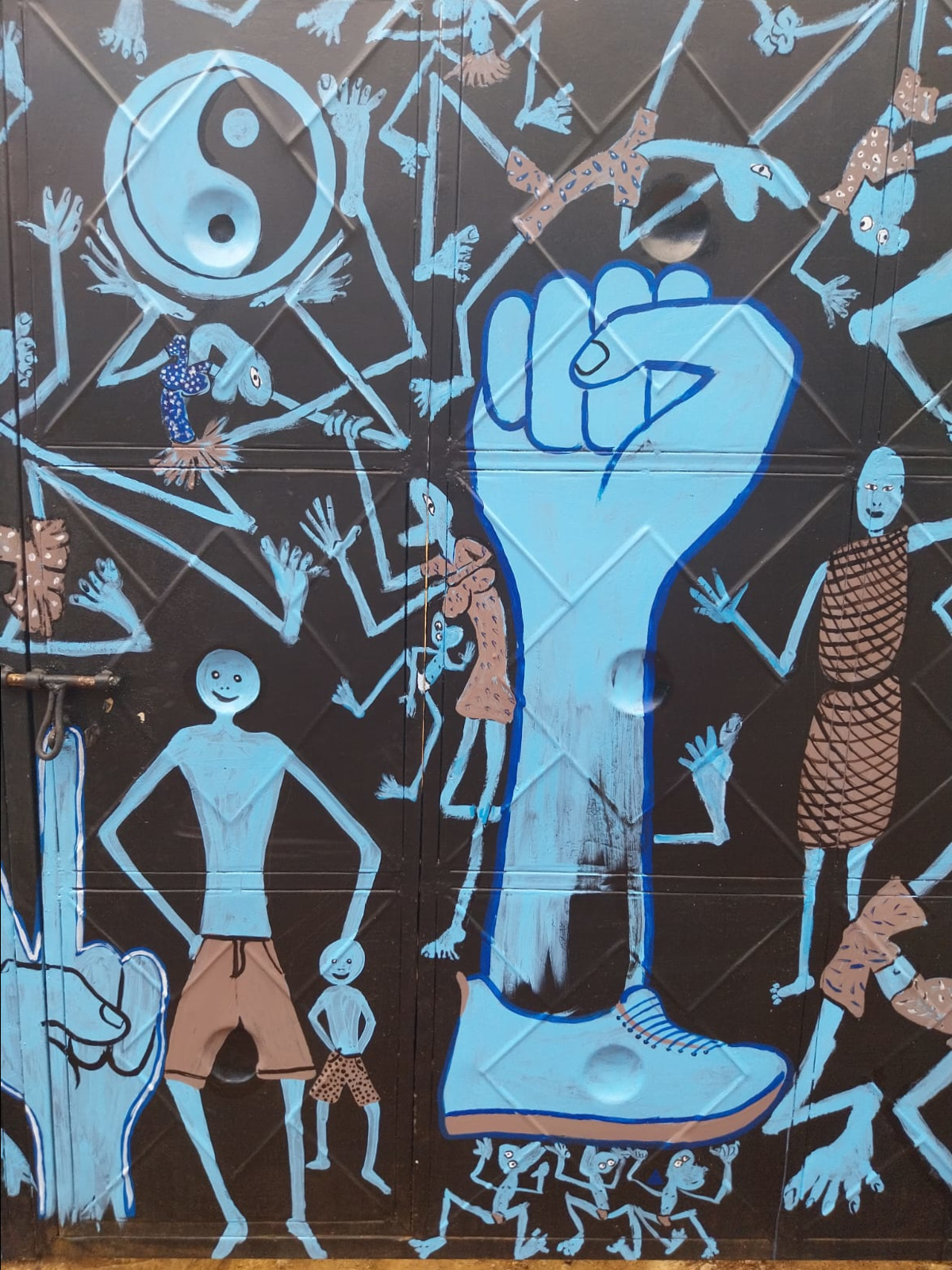
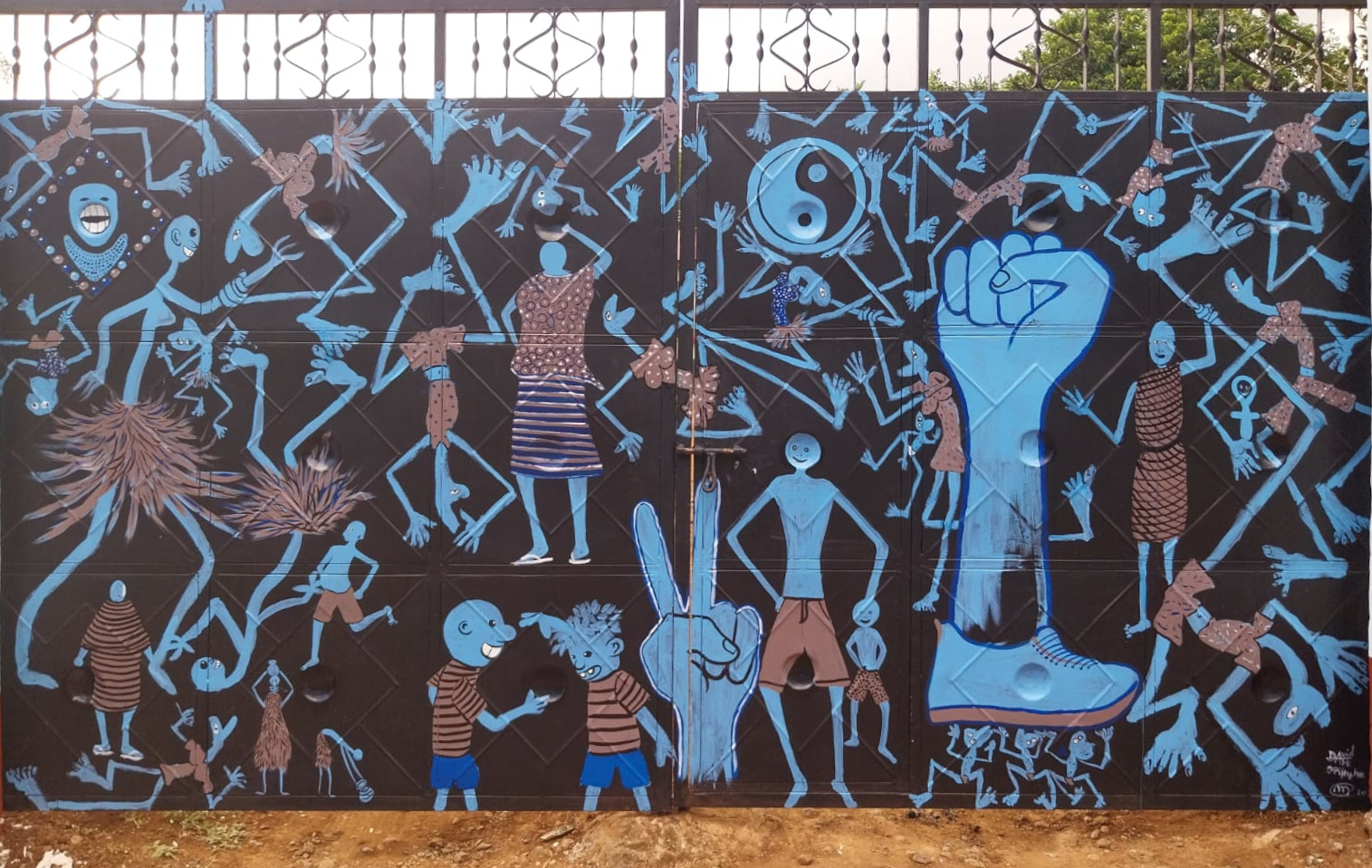
Five of the six works by Mertens originated in his participation in the East African Biennales. A collaborative mural, originally created in Dar es Salaam, was re-executed for this exhibition as a painted entrance gate to the site. Mertens realized this work together with the Tanzanian artists David Valerian Mlay and Prince John Hugo.
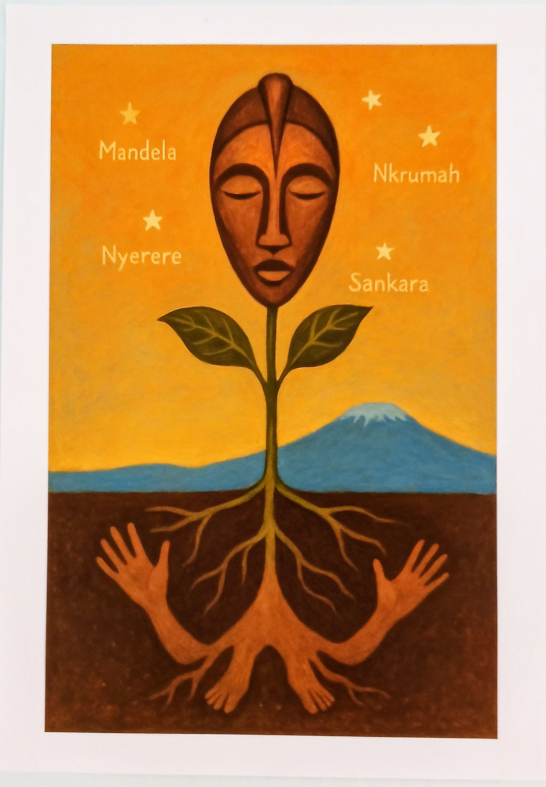
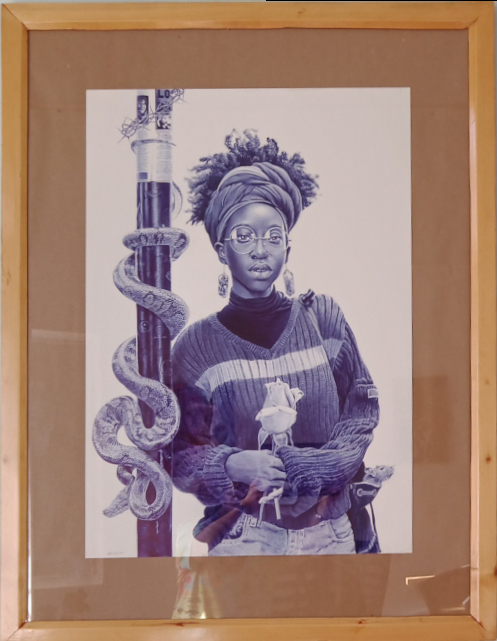
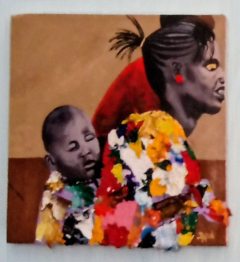
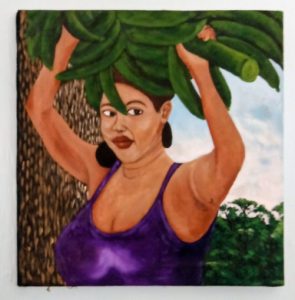
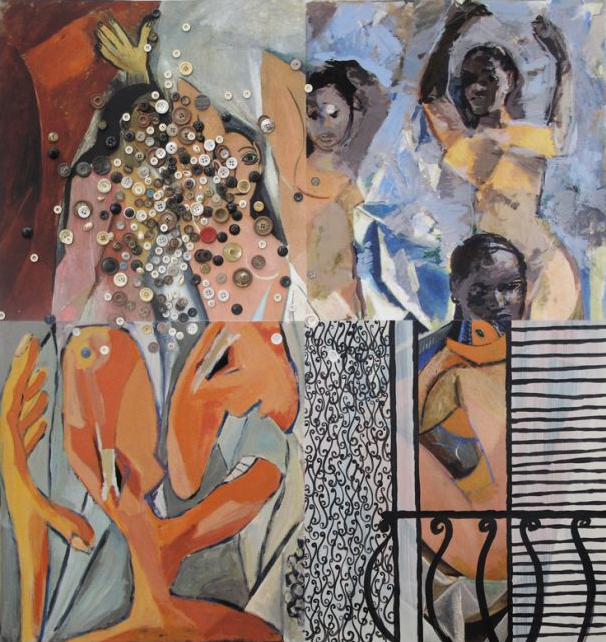
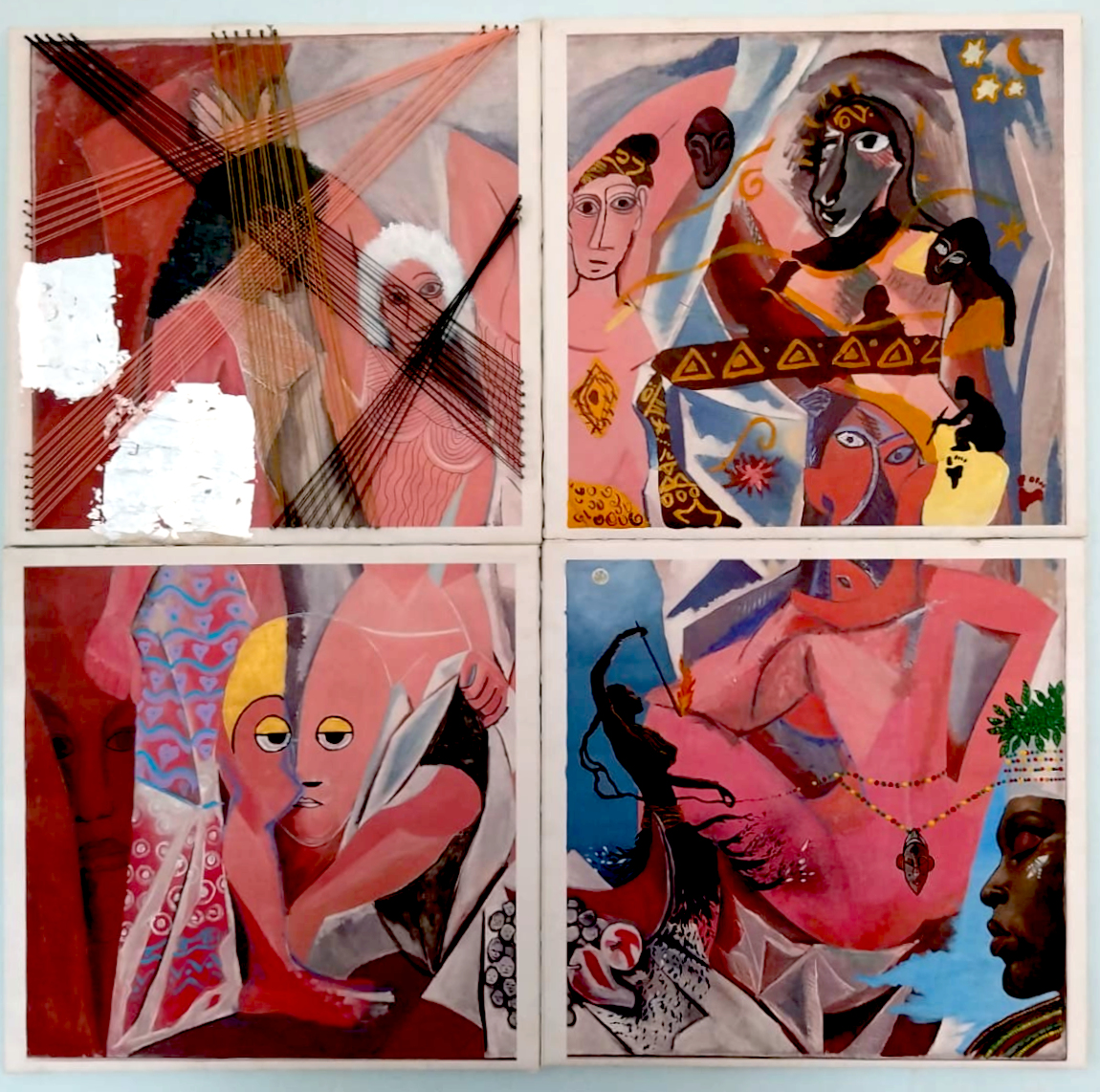
A central work in the exhibition is a reinterpretation of Les Demoiselles d’Avignon by Pablo Picasso. In the original painting, Picasso used African masks within a modernist idiom. In an initial version for the East African Biennale, Mertens, Ricardo Brey, Mulugeta Tafesse, and Willo Gonnissen made a symbolic intervention to return this appropriated visual language to Africa. In Moshi, four Tanzanian artists: Lilian Munuo, Lightness Jonas, David Valerian Mlay and Prince John Hugo realized a new version of the work, complemented by pieces from their own oeuvre.
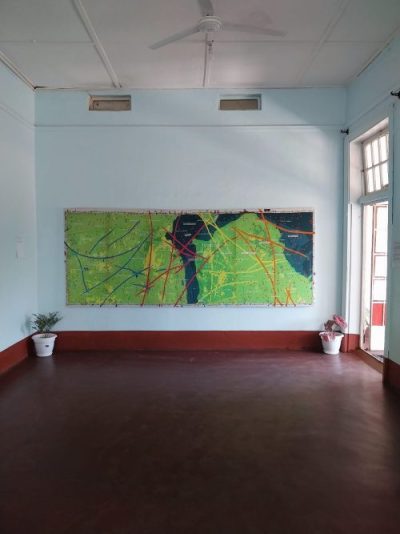
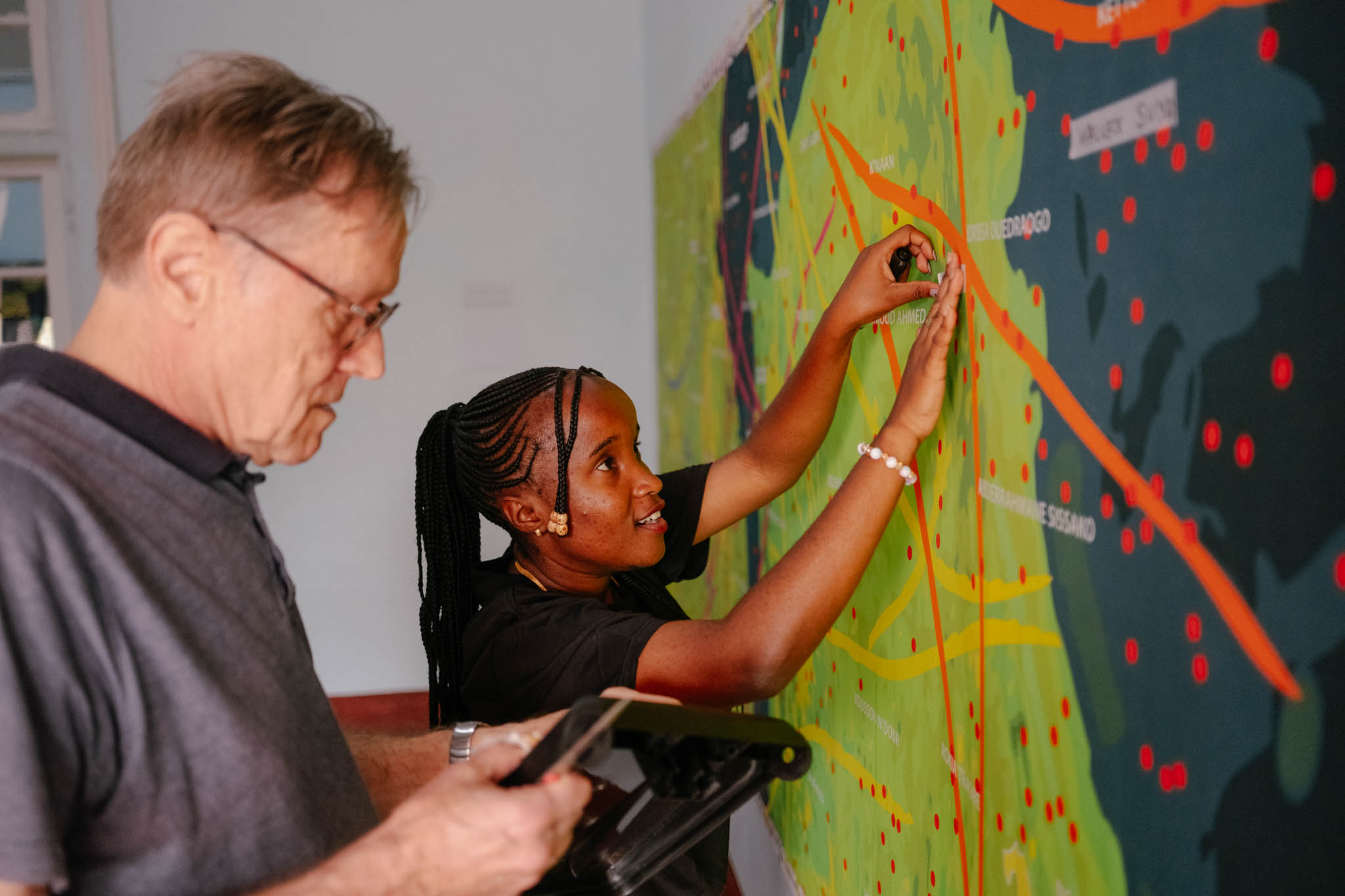
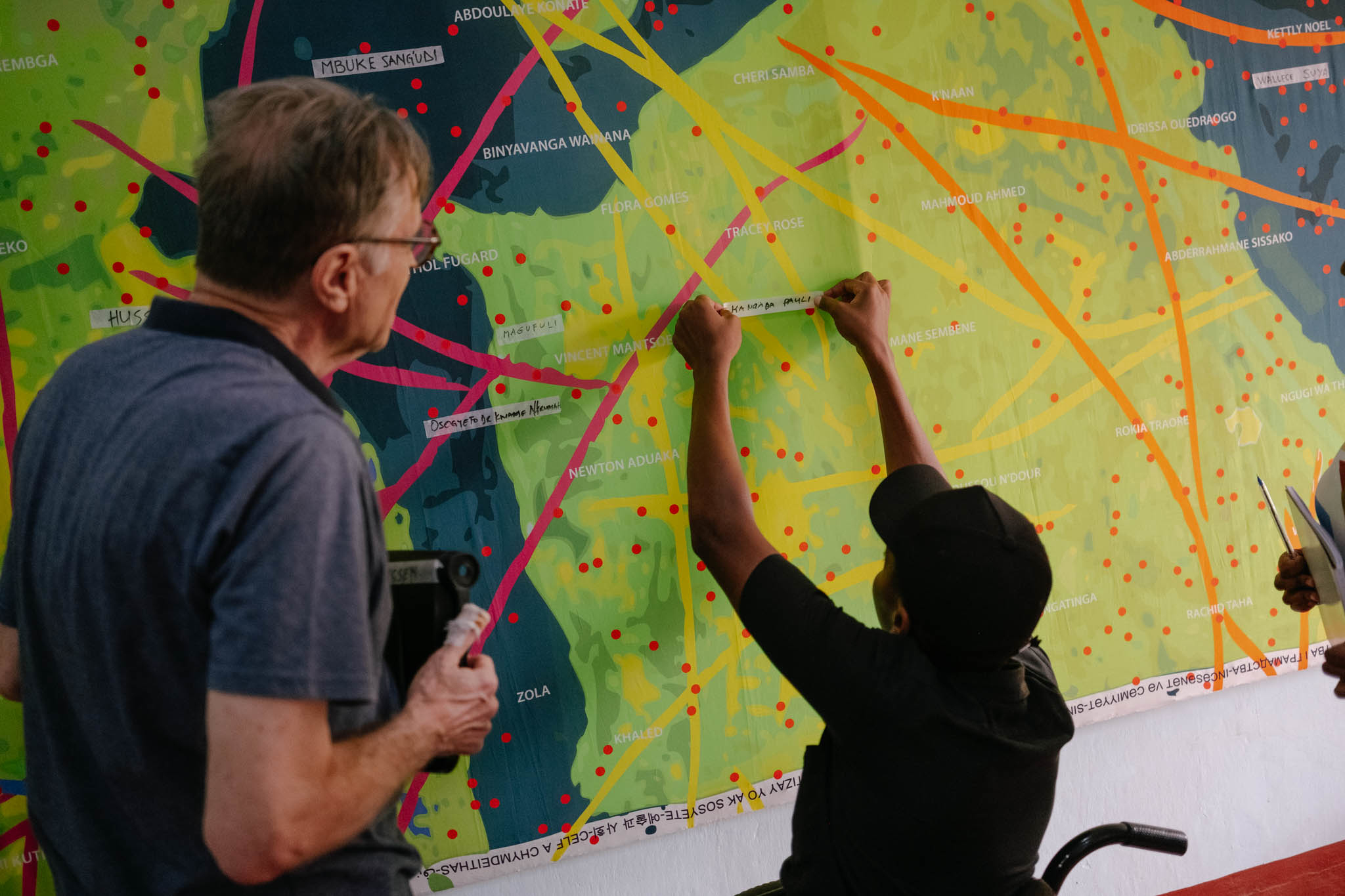
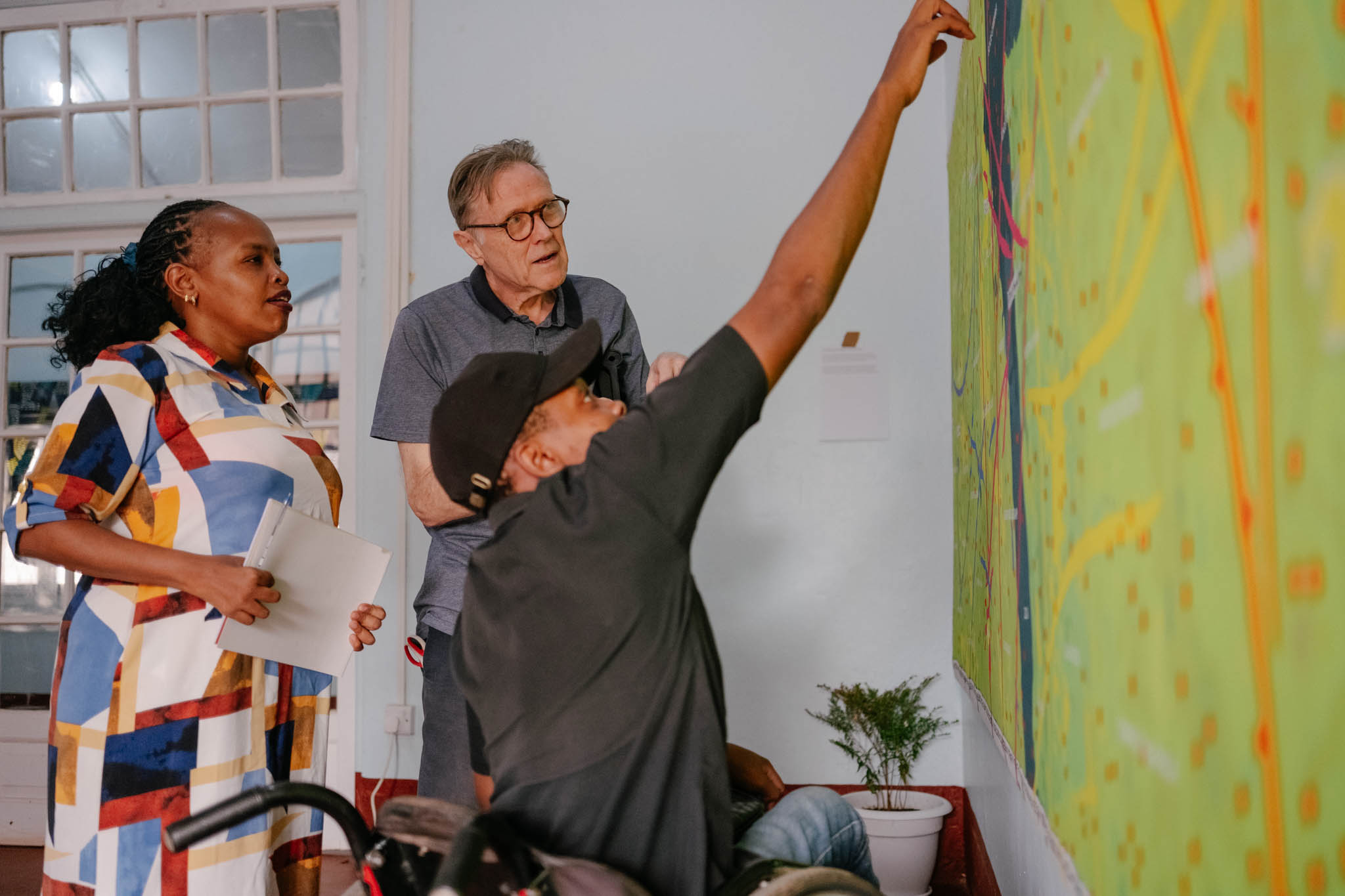
African Heroes, a work on kanga fabric, departs from the city map of Dar es Salaam. Together with fellow artist Willo Gonnissen, Mertens overlaid this map with the life lines of a hand and a star chart. The names of the stars were replaced by those of African heroes, often silenced or erased by colonial history. In Moshi, the work became interactive: visitors added the names of their own heroes in large numbers, allowing the work to evolve into a collective, living memory.
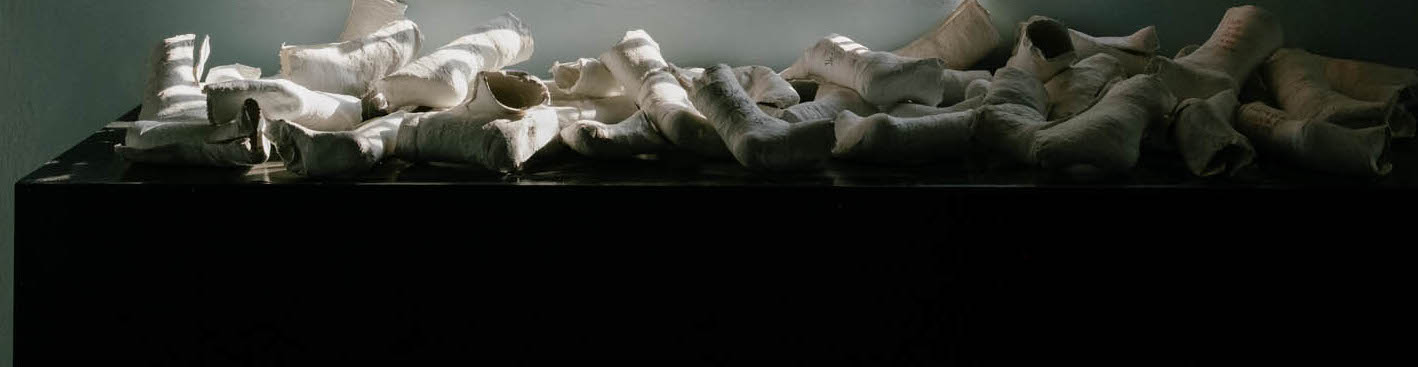
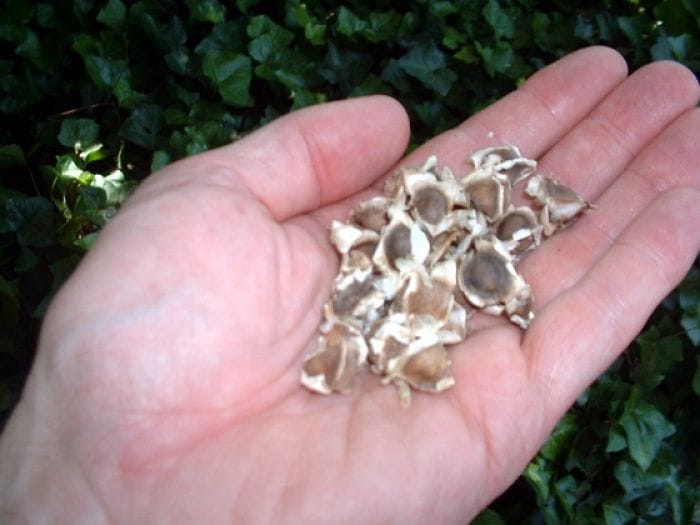
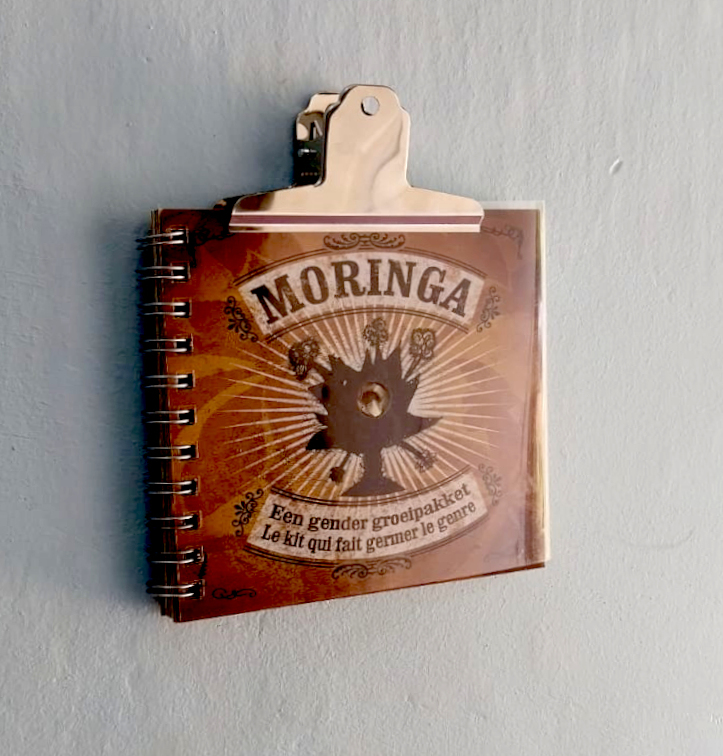
Moringa originated from an earlier socio-artistic project with women with a migrant background and visualizes the often invisible expertise required for sustainable integration into the labor market. During the opening on December 3rd, seven moringa trees were planted around the building as a living reference to 7000 Oaks by Joseph Beuys for Documenta. The trees function as carriers of time—growing, demanding care, and oriented toward the future.
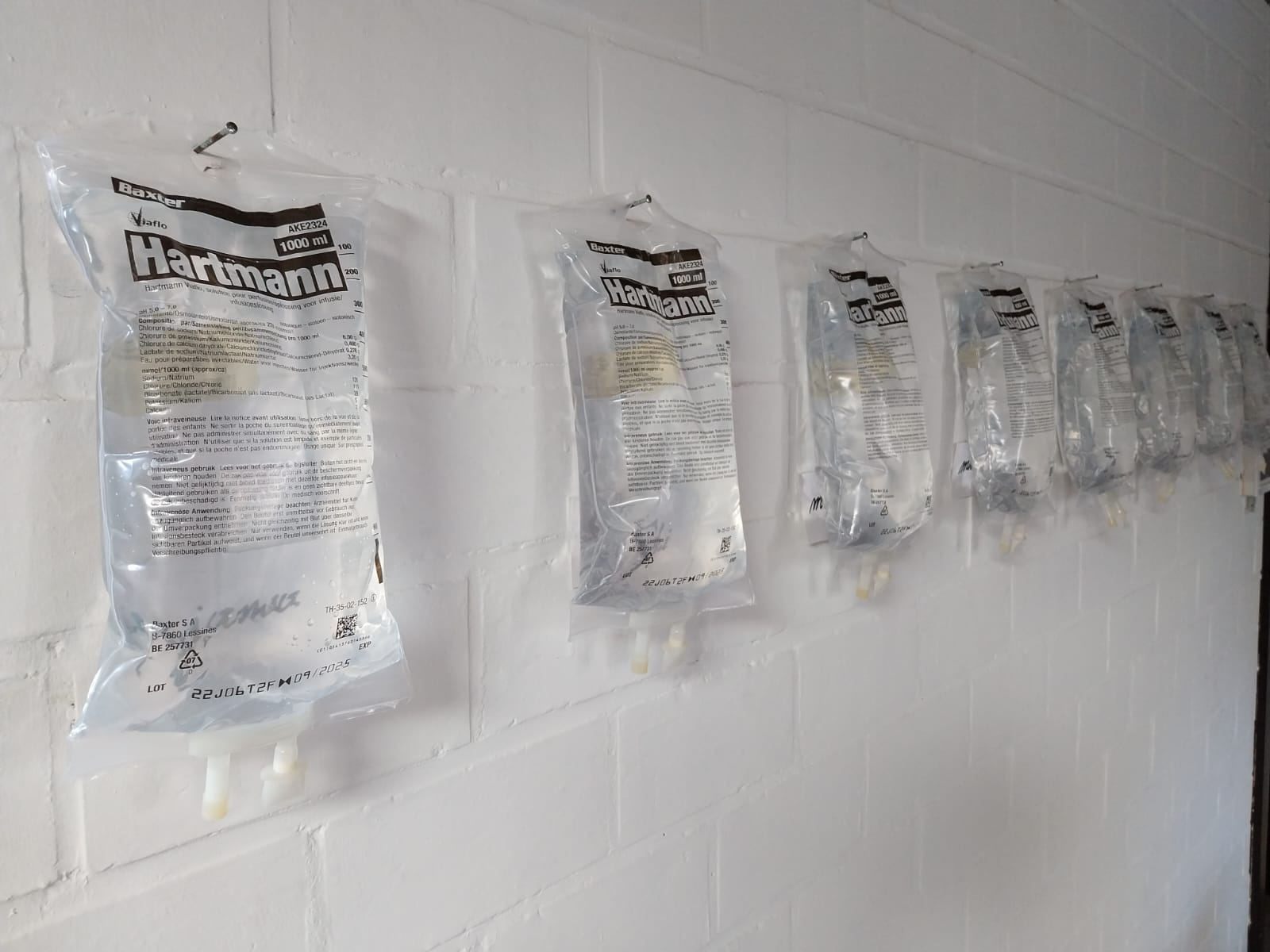
The work African Values, originally developed in the studio using IV bags, was reconstructed in Moshi with locally sourced materials. Instead of bags, plastic bottles were used—not arranged in a single line but distributed throughout the entire building. Through the bottles, African values written in Swahili are legible—values that came under pressure through the colonial past. Visitors had to literally search for these words in corridors, corners, and even sanitary spaces.
 Ubuntu – Shared humanity
Umoja – Unity
Ushirikiano – Cooperation
Heshima – Respect
Huruma – Compassion
Wajibu – Responsibility
Uaminifu – Trust, faithfulness
Haki – Justice
Ukarimu – Hospitality, generosity
Subira – Patience, perseverance
Amani – Peace
Uhai – Life
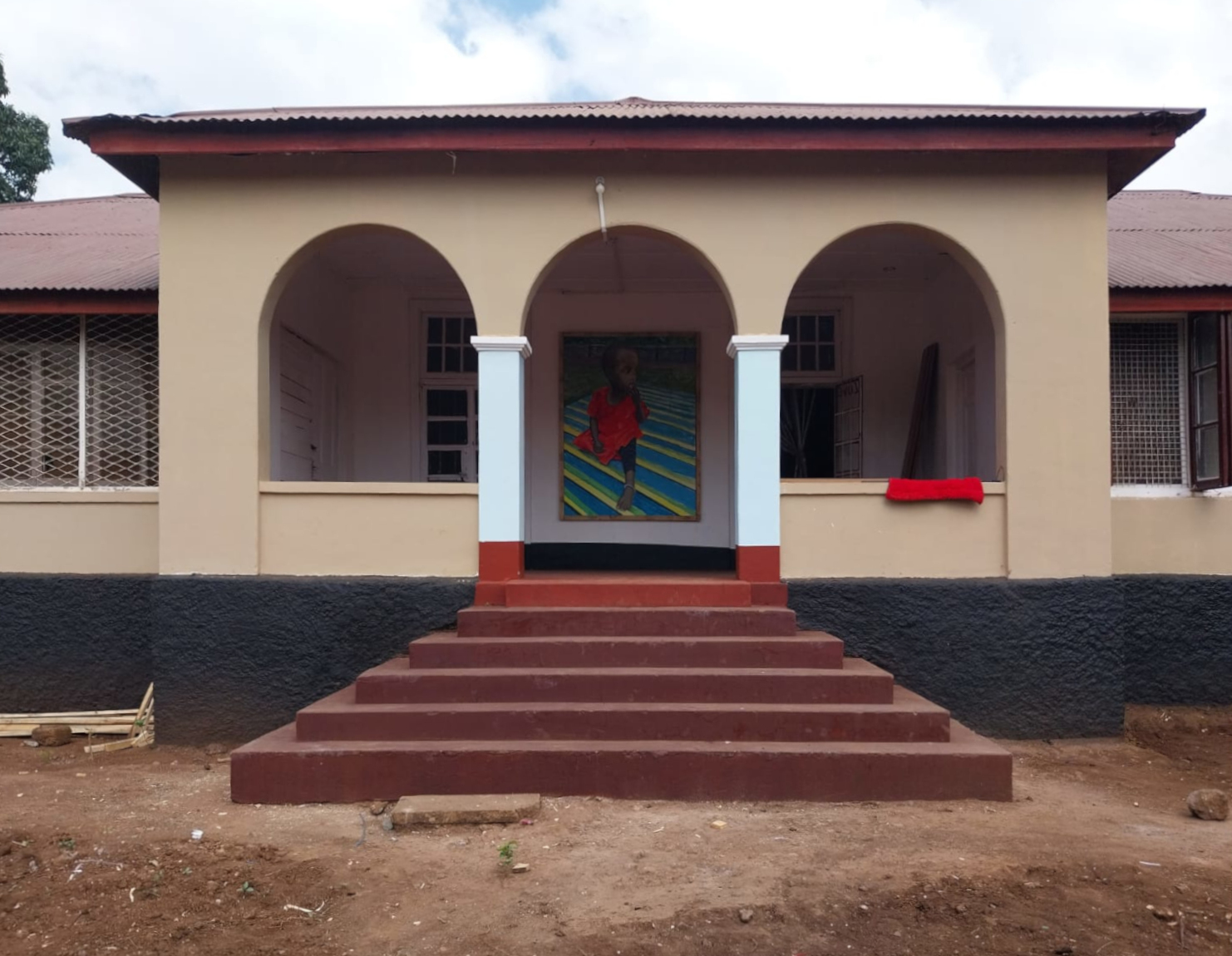
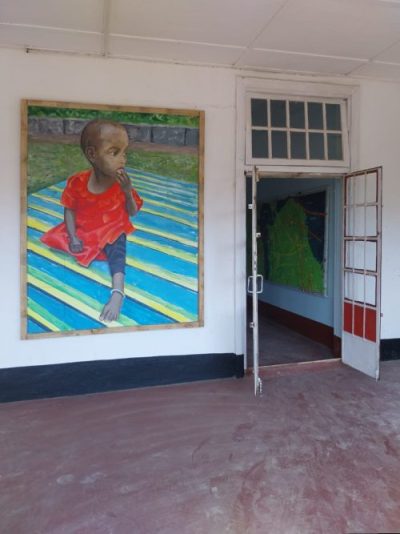
Specifically for this exhibition, a monumental portrait of a child with hydrocephalus was added to the Loving Care series, in which Mertens created twelve paintings measuring two by one and a half meters of untreated children in the Philippines. The work was installed outdoors at the entrance and serves as the visual and ethical anchor of the exhibition.
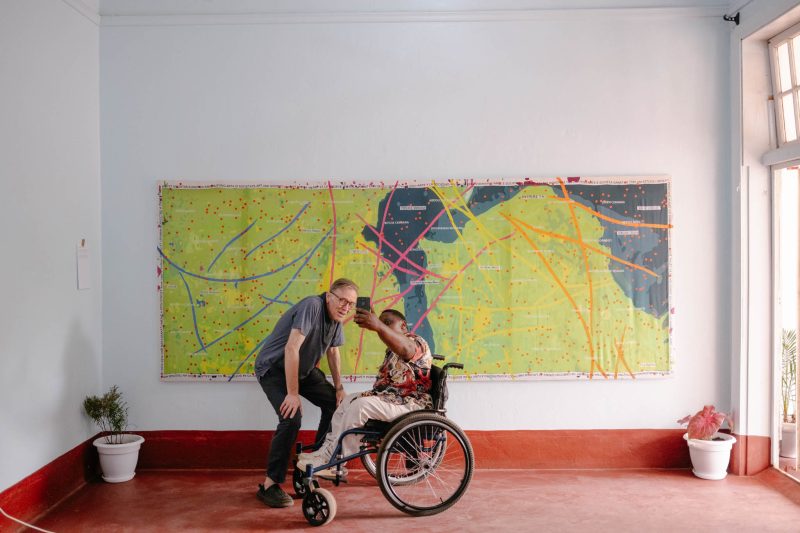
A selfie with Pierre Mertens, sent to his father after nominating him as a hero.